
I’ve had dentures for thirty years. I can’t even keep my dentures in anymore. I haven’t smiled in a several years. Recently, I don’t even want to leave my house. I don’t know what happened but my jaw is mushy and I look ancient. Is it too late for me to get dental implants and have a smile I can be proud of?
Loretta
Dear Loretta,
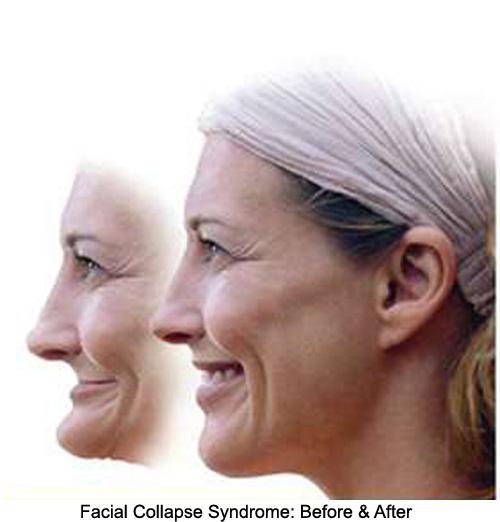
Let’s start with what is going on with your jaw. What you are suffering from is what dentists know as facial collapse. I really hope your dentist warned about this before allowing you to commit to completely removable dentures. When your teeth were extracted, your body recognizes that.
As a means of using your body’s resources to the best of its ability, it begins resorbing the minerals in your jawbone in order to use them elsewhere in your body. While a great way to use resources, it has the unfortunate side effect of slowly shrinking your jaw. Eventually, you do not have enough jawbone left to retain your denture. That is when you are to the facial collapse point and why your jaw seems mushy. There’s not enough solid structure there anymore.
To fix this, what you’ll need to do is to have some bone grafting done. This is an outpatient procedure. Once that is completed you have two choices. You can get dentures again. They will fit again. However, the same process of bone resorption will restart. The better option would be to get implant supported dentures. This will place five to six dental implants to help retain the dentures. These are known as implant overdentures.
This has two benefits. First, you will find your quality of living goes up considerably. You will find your chewing capacity is greatly increased, even the best fitting dentures will cause you to lose 50% of your chewing capacity so you will find your life dramatically better than it has been in the last 30 years. Second, the implants being there serve as tooth roots. This means you will no longer have to worry about losing any more of your bone structure.
Who Should Do Your Dental Implants?
This is an advanced procedure, so you’ll have to be careful who does the procedure. This is not something that is adequately taught in dental school so you will want a dentist who has invested in significant post-doctoral training. Additionally, it is better if the dentist does both the surgery and the restoration. This helps prevent miscommunication between a dentist and the oral surgeon which can derail your whole procedure.
This blog is brought to you by Libertyville Dentist Dr. David Potts.